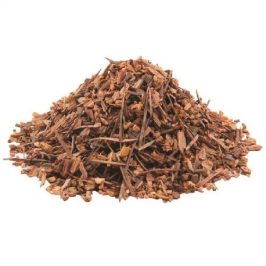
GOLDENSEAL ROOT
Goldenseal (Hydrastis canadensis) is also known as yellow puccoon, yellow root or orange root. It is a perennial herb native to North America, where its rhizomes and roots are used primarily for medical purposes. This herb was given its name due to the golden-yellow scars at the stem base that resemble a gold wax letter seal. The main active constituent of goldenseal is the alkaloid berberine, which contributes to most of the health benefits found in this herb. Other components found in goldenseal include carbohydrates, amino acids, traces of essential oil and other alkaloids such as canadine and hydrastine.
Health Benefits
- Immune system booster – Goldenseal is a natural antibiotic and has immune boosting capabilities. It improves white blood cell count and increases production of antigen-specific antibody to combat infection. Thus it is used for colds, flus, stuffy nose, hay fever and reducing fever. It is also used for upper respiratory tract infections due to its antimicrobial and anti-inflammatory properties. Goldenseal regulates the mucus flow in the upper respiratory tract, restoring a healthy flow of mucus with antibiotic properties or reducing mucus flow when excessive, which helps to relieve sinus conditions. The anti-inflammatory effect of berberine in goldenseal also helps with allergies by calming the nervous system. Berberine has strong antimicrobial effects against bacteria and fungi, which can aid the immune system during an infection especially in mucous membranes.
- Digestive Issues – Goldenseal is used for various digestive-related problems such as stomach pain, stomach swelling or gastritis, peptic ulcers, ulcerative colitis, diarrhoea, constipation, haemorrhoids and intestinal gas. Goldenseal is bitter and thus used as a digestive aid as it stimulates appetite and promotes bile secretion. The antibacterial property of berberine in this herb is the main contributor to the use of goldenseal for bacteria-related conditions including dysentery, infectious diarrhoes and small intestine bacterial overgrowth (SIBO). Berberine has been shown in various studies to inhibit growth of certain pathogens that causes digestive issues such as E. coli, V. cholera and H. pylori. Berberine stops bacteria from adhering to tissue surfaces which improves bacterial removal by the body. It also improves the gut wall condition and limits growth of unhealthy bacteria in the gut. Apart from removing harmful gut bacteria, goldenseal tones and soothes the mucous membrane in the gastrointestinal tract.
- Urinary Tract – Urinary tract infection (UTI) is caused by the overgrowth of harmful bacteria in the bladder, urethra, ureter or even kidneys. Berberine in goldenseal has antimicrobial and anti-inflammatory properties, which can prevent the binding of bacteria against the urinary tract walls as well as soothe inflammation caused by UTI.
- Blood – Berberine in goldenseal can regulate blood flow and blood pressure by relaxing arteries via the release of nitric oxide. It also reduces LDL cholesterol by regulating the LDL receptors in the liver and reducing plasma cholesterol. Goldenseal can also be used to lower blood sugar levels.
- Eye – This herb can be used for eye inflammation or eye infections (conjunctivitis or “pink eye”), primarily due to its anti-inflammatory property and ability to improve mucus secretion in eyes. Some use goldenseal as an eyewash for eye infections, however precaution should be taken when using in this form as the eyes are very sensitive. Consult with a doctor beforehand.
As with all health food supplements and medication, caution should be taken before regular consumption. Consult with your health care practitioner or doctor, especially for pregnant and breastfeeding women; children or infants; people currently taking other medications or have serious health issues; those with high blood pressure, hypoglycaemia, liver disease or heart disease.
Reference
- Clement-Kruzel, S., Hwang, S. A., Kruzel, M. C., Dasgupta, A., & Actor, J. K. (2008). Immune modulation of macrophage pro-inflammatory response by goldenseal and Astragalus extracts. Journal of medicinal food, 11(3), 493-498.
- Ettefagh, K. A., Burns, J. T., Junio, H. A., Kaatz, G. W., & Cech, N. B. (2011). Goldenseal (Hydrastis canadensis L.) extracts synergistically enhance the antibacterial activity of berberine via efflux pump inhibition. Planta medica, 77(08), 835-840.
- Vuddanda, P. R., Chakraborty, S., & Singh, S. (2010). Berberine: a potential phytochemical with multispectrum therapeutic activities. Expert opinion on investigational drugs, 19(10), 1297-1307.
- Weber, H. A., Zart, M. K., Hodges, A. E., Molloy, H. M., O’Brien, B. M., Moody, L. A., … & Smith, C. S. (2003). Chemical comparison of goldenseal (Hydrastis canadensis L.) root powder from three commercial suppliers. Journal of agricultural and food chemistry, 51(25), 7352-7358.
- http://www.webmd.com/vitamins-supplements/ingredientmono-943-goldenseal.aspx?activeingredientid=943&
- https://www.organicfacts.net/health-benefits/herbs-and-spices/goldenseal.html
Can be found in the following products: