WOOD BETONY
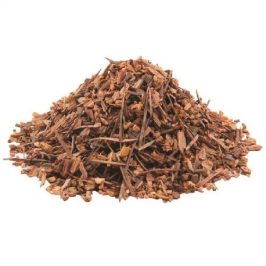
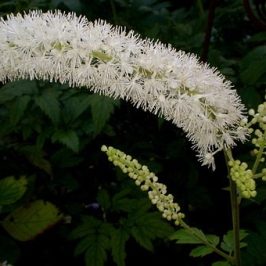
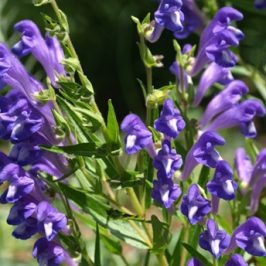
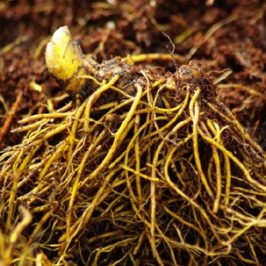
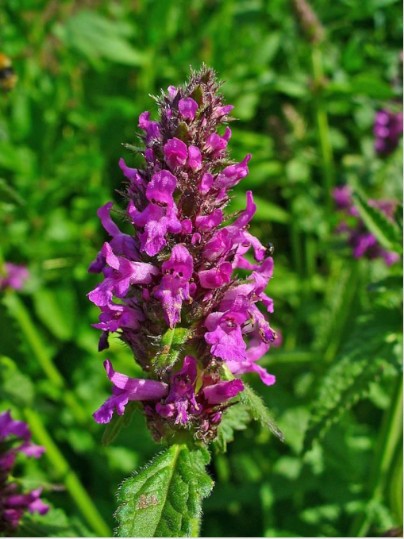
Wood betony (Betonica officinalis or Stachys officinalis; also spelled as bettony) is used commonly in herbal medicine. It is an excellent herb used traditionally to treat many illnesses, most notably for headaches and anxiety. The entire plant can be used for medical purposes, including its leaves, stems and roots. It is more commonly used in combination with other herbs but it can also be used on its own in various forms.
Many physicians in the past have regarded wood betony as a cure-all herb. Some recent studies have also attributed certain health benefits to several identified active constituents in wood betony. These active constituents include various alkaloids, tannins, saponins, flavonoids, phenylethanoid glycosides, chlorogenic acid, betulinic acid, betaine, caffeic acid, iridoids, diterpenic lactones and essential oil.
Health Benefits
1. As a relaxant
- Headaches and migraines
- Tension in the head during headaches and migraines are usually due to pain induced by the muscles, nerves, and/or blood vessels in the head and neck area. Wood betony is often used as a muscle relaxant in these areas. It also has hypotensive properties due to the presence of chlorogenic acid and pheynylethanoid glycosides, which lowers blood pressure by dilating blood vessels and relaxing facial muscles to relieve pain during headaches.
- Muscle and nerve pains
- Wood betony can also provide relief for other types of muscle pains such as stiff necks, muscle cramps, menstrual pain, and facial pain due to sinusitis and nasal congestion. It is also helpful for nerve pains caused by diabetic problems, shingles and facial nerve pain.
- Stress and mental health
- Another common use for wood betony is to manage stress, nervousness and anxiety. As wood betony acts as a nervine, it can help to relax and calm the mind and promote restful sleep. This is also useful for those who suffer from depression, epilepsy, memory problems and lack of concentration.
2. Breathing problems
- For those who have breathing difficulties from asthma or bronchitis, wood betony expands the lungs for better breathing by relaxing the smooth muscles of bronchi.
3. Digestive health
- Wood betony can help several digestive problems including diarrhea, indigestion, stomach cramps, intestinal gas and gastritis. Its astringent properties from tannins can stop diarrhea, while the bitter substances in this herb aids digestion.
4. Urinary tract problems
- Wood betony is a diuretic, which can help eliminate toxins from the body. It also reduces pain and swelling from bladder infections and kidney stones.
5. Astringent
- Besides diarrhea, its astringent properties allows wood betony to be used as an external application for wounds, bruises and ulcers.
6. Anti-inflammatory and antioxidant
- The anti-inflammatory properties in wood betony is attributed to the presence of flavonoids and tannins. It is helpful in soothing gum inflammation and sore throats, as well as rheumatism, arthritis, skin rashes, joint pain, swelling and redness. On the other hand, free radical scavenging molecules including flavonoids and polyphenols such as chlorogenic acid and phenylethanoid glycosides in this plant provide it with its antioxidant properties.
7. Detoxification
- Wood betony has an alterative function where it promotes elimination of waste products from the blood and liver, thus improving blood circulation and liver function.
As with all health food supplements and medication, caution should be taken before regular consumption. Consult with your health care practitioner or doctor, especially for pregnant women, those with low blood pressure and patients due for surgery.
References
- AKTIVNÍCH, V. M. Z. A. O., LÁTEK, U., & REPUBLICE, L. Č. (2009). Variability of morphological characteristic and content of active substances in Betonica officinalis L. in the Czech Republic.
- Bahrami Babaheydari, S., Dorafshan, S., Paykan Heyrati, F., & Mahboobi Soofiani, N. (2015). Effect of wood betony (Stachys lavandulifolia Vahl) extract on some serum biochemical changes and acute stress response in juvenile common carp (Cyprinus carpio). Iranian Journal of Aquatic Animal Health, 1(1), 17-26.
- Franz, C. H., Novak, J., Hajdari, A., & Mustafa, B. (2009, June). Total flavonoids, total phenolics and antioxidant activity of Betonica officinalis L. from Kosovo. In IV International Symposium on Breeding Research on Medicinal and Aromatic Plants-ISBMAP2009 860 (pp. 75-80).
- Picker, P. (2011). Bioactivity guided fractionation of Betonica officinalis and Glechoma hederacea focusing on anti-inflammatory activities (Doctoral dissertation, uniwien).
- Šliumpaitė, I., Venskutonis, P. R., Murkovic, M., & Ragažinskienė, O. (2013). Antioxidant properties and phenolic composition of wood betony (Betonica officinalis L., syn. Stachys officinalis L.). Industrial Crops and Products, 50, 715-722.
- Yarnell, E., & Abascal, K. (2001). Botanical treatments for depression: Part 2-Herbal corrections for mood imbalances. Alternative & Complementary Therapies, 7(3), 138-143.
- http://www.chinese-herbs.org/wood-betony/
Can be found in the following products: