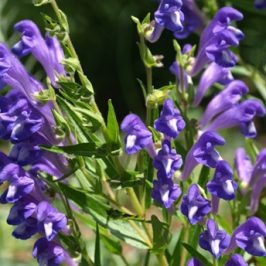
BLESSED THISTLE
Not to be confused with milk thistle (Carduus marianus), Blessed Thistle (Cnicus benedictus) is a herb used traditionally for many purposes, in particular for digestive problems and fever. It is commonly used by nursing mothers to increase milk flow for breastfeeding, although it lacks sufficient scientific evidence to support this effect and is not recommended for pregnant women. Almost the entire plant can be used including its dried leaves, flowers and stem. Its main active constituent is the bitter principle cnicin, which is responsible for many medicinal properties of blessed thistle. Other constituents found in this plant include lignans, triterpenoids, flavonoids, tannins and essential oils.
Health Benefits
- Digestive health – Blessed thistle has bitter principles such as cnicin which can act as a digestive stimulant. It supports healthy digestion by stimulating the production of bile, gastric juices and saliva, which can be helpful when having sluggish digestion, indigestion or dyspepsia, or flatulence. It also increases appetite and can be used as a treatment for anorexia.
- Antimicrobial – The antibacterial and antifungal properties of blessed thistle are attributed to the polyacetylene, cnicin and essential oil content in the plant. Studies have shown that blessed thistle is active against certain bacteria types. Some of the lignans in blessed thistle are also investigated for its antiviral properties.
- Regulation of female reproductive system – Blessed thistle is an emmenagogue, which means that it stimulates menstruation. It can provide relief to various menstruation related problems such as painful menstruation and PMS-related headaches as it regulates female hormones. However it can also induce abortion and should not be taken by pregnant women.
- Detoxification – The cholerectic activity of blessed thistle due to bitter principles increases the production of bile in the liver which aids in detoxification. This herb strengthens the liver and is helpful for those with jaundice and hepatitis. It is also a diuretic and helps to flush out toxins in the body.
- Astringent – Due to the tannins content in blessed thistle, it is used as an antiseptic on wounds and ulcers to assist healing, soothe the skin and shrink inflamed tissues. It can prevent or slow down bleeding by dilating peripheral blood vessels as well as treat other skin conditions. Blessed thistle can also be used to treat diarrhea or haemorrhage.
As with all health food supplements and medication, caution should be taken before regular consumption. Consult with your health care practitioner or doctor, especially for pregnant women, children, allergic individuals and those with peptic ulcer disease or inflammatory bowel problems. It should be taken in the appropriate dosage as high dosages can cause stomach irritation and vomiting.
Reference
- Szabó, I., Pallag, A., & Blidar, C. F. (2009). The antimicrobial activity of the Cnicus benedictus L. extracts. Analele Universitatii din Oradea, Fascicula Biologie, 16(1), 126-8.
- Ulbricht, Catherine, Basch, Ethan, Dacey, Cynthia, Dith, Sophanna, Hammerness, Paul, Hashmi, Sadaf, . . . Weissner, Wendy. (2008). Evidence-based systematic review of blessed thistle (Cnicus benedictus) by the Natural Standard Research Collaboration. Journal of Dietary Supplements, 5(4), 422-437.
- Orrick, S., Jones, Karen L., Atkinson, Rebecca, & Ireland, Frank. (2011). Evaluation of Blessed Thistle as an Ameliorator of Stress Response in Fescue-fed Cows, ProQuest Dissertations and Theses.
- Kemper, K. J. (1999). Blessed Thistle (Cnicus Benedictus). https://www.drugs.com/npp/blessed-thistle.html
Can be found in the following products: