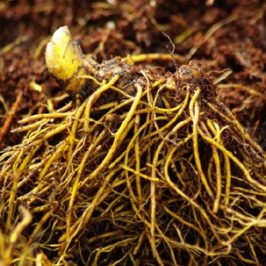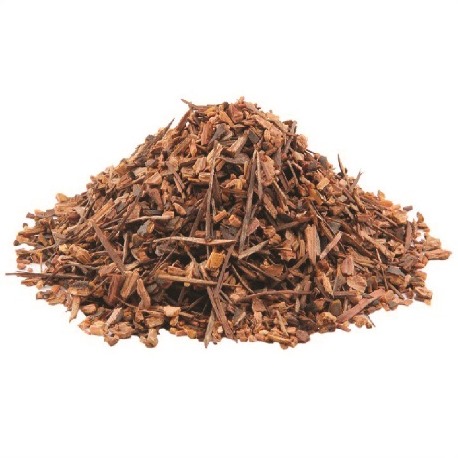
SARSAPARILLA ROOT
Sarsaparilla is a perennial vine belonging to the Smilax genus. There are more than 300 species in this genus, of which the more commonly used species for medicinal purposes include Smilax ornate, Smilax regelii, and Smilax officinalis. Sarsaparilla is also famous as a beverage brand, which originally used the root of this plant as an ingredient. One of the main components of sarsaparilla is saponins, which contributes to the foaming action in the soft drink. Other active constituents in sarsaparilla include plant sterols, flavonoid antioxidants, starch, trace minerals, and volatile oils and acids.
Health Benefits
- Balancing hormones
One of the main uses of sarsaparilla root is its ability to balance hormones due to saponins and plant steroids. These components can mimic the effects of hormones such as estrogen and testosterone, thus contributing to a range of health effects. Sarsaparilla is used to improve libido and reduce impotence by increasing blood flow, improving sperm motility and overall sex drive. Other hormone-related health benefits include reducing menopause symptoms and aging, weight gain, muscle and bone mass loss.
- Anti-inflammatory action
Sarsaparilla root is also used for its anti-inflammatory properties, useful for conditions such as rheumatoid arthritis, rheumatism, gout, muscle and joint pains. Active compounds including saponins, parillin, stigmasterol and other flavonoids in sarsaparilla can reduce inflammation in the body while soothing pain through prostaglandin interactions, which is produced during injury or inflammation.
- Antimicrobial action
The antimicrobial action of sarsaparilla root can help boost immune function as well as prevent illnesses including cough, colds, flu, fevers and infections. The antibacterial property by saponins strengthens the immune system which helps the body respond to and recover from common illnesses at a faster rate. Saponins is effective against fungus, bacteria, and various harmful microbes. Antioxidants and anti-inflammatory compounds of this plant exert a mucolytic effect during coughs, helping to loosen mucus to improve mucus clearance and remove bacteria from the system more easily. Its ability to reduce muscle spasm also helps to reduce cough reflexes.
- Skin problems
Studies have reported improvements to patients with psoriasis using sarsaparilla as a treatment. This plant has also been used for other skin conditions including eczema, rashes, wounds and ulcers, mostly contributed by its antifungal, antibacterial and anti-inflammatory effects. Sarsaparilla root is found to strengthen skin conditions and reduce skin inflammation in the form of swelling, peeling, itching and redness via immunosuppression. Its antioxidant content is also beneficial to the overall appearance of the skin.
- Diuretic and detoxification
Sarsaparilla root acts as a diuretic and provides overall detoxification. By increasing urine production, improving perspiration and reducing fluid retention, sarsaparilla can help with stomach bloating and swelling. It is also an excellent blood purifier and can protect the liver. Saponins and plant sterols bind to endotoxins in the GI tract and make them less absorbable, thus reducing the oxidative load in the bowel and eliminating harmful toxins from the body. This overall effect is beneficial towards conditions such as liver diseases, psoriasis and inflammation.
As with all health food supplements and medication, caution should be taken before regular consumption. Consult with your health care practitioner or doctor, especially for pregnant and nursing women. This herb should not be taken in large doses as it may be dangerous and may cause stomach upset, diarrhea or indigestion. The powdered form of sarsaparilla may cause allergic reactions similar to asthma and should be handled with care or avoided.
References
Challinor, V. L., Parsons, P. G., Chap, S., White, E. F., Blanchfield, J. T., Lehmann, R. P., & De Voss, J. J. (2012). Steroidal saponins from the roots of Smilax sp.: structure and bioactivity. Steroids, 77(5), 504-511.
Dweck, A. C. (1997). Ethnobotanical Use of Plants. Part 4: The American Continent. Cosmetics and Toiletries, 112(11), 4.
Kuhn, Merrily A, & Winston, David. (2015). Winston and Kuhn’s Herbal Therapy and Supplements A Scientific and Traditional Approach (2nd ed.). Philadelphia: Wolters Kluwer.
Sumner, K. (2002). The traditional and clinical uses of sarsaparilla (Smilax species). Australian Journal of Medical Herbalism, 14(3), 114-7, 119.
Can be found in the following products: