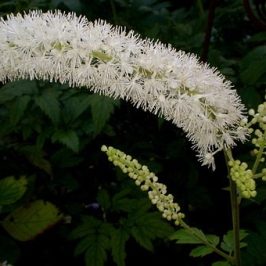
SCULLCAP
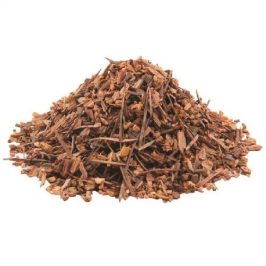
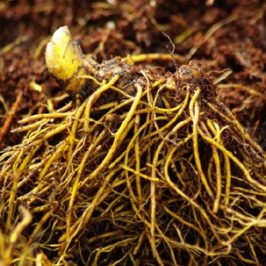
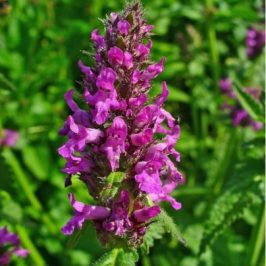
Scullcap (or skullcap) is a flowering plant from the mint family. There are many variations of scullcap, most notably are American Scullcap (Scutellaria lateriflora) and Chinese Scullcap (Scutellaria baicalensis). These two variations of scullcap have similar active constituents albeit in different proportions. The most prominent constituent of this plant is flavonoids, where the compounds baicalin, baicalein and wogonin contribute the most towards the health benefits of scullcap. Other active constituents of scullcap include essential oils, phenylethanoid glycosides, phenols, and indoleamines such as melatonin and serotonin.
Health Benefits
- Sedative and relaxant – One of the main uses of scullcap is to treat anxiety and stress. Its anxiolytic effect is also beneficial for those with restlessness, irritation, heart palpitations, shortness of breath, nervous excitability and mental or neurological disorders. Scullcap can help with relaxation during headaches, relieve muscle spasms and muscle tension, jaw clenching, twitching, tremors and nerve pain. It has sedative properties to promote restful sleep, and also act as an anticonvulsant to treat epilepsy and seizures. Studies show that these effects are due to the baicalin and baicalein content in scullcap, which bind to GABA receptors to amplify activity of this inhibitory neurotransmitter. The flavonoids in scullcap also block serotonin 5-HT7 receptors which contributes to its sedative effect. Baicalein and other flavones present in scullcap can inhibit smooth muscle contractions by inhibiting cAMP phosphodiesterase, which ultimately promotes smooth muscle relaxation in areas including the coronary arteries and bronchi.
- Anti-inflammatory – Scullcap is used widely for its anti-inflammatory effects, especially Chinese scullcap. It is useful in disorders such as arthritis, inflammatory bowel diseases, Alzheimer’s disease and Parkinson’s disease. Research identified that the flavonoids baicalein, baicalin and wogonin exhibit anti-inflammatory action.
- Other uses – Scullcap has many other properties such as encouraging menstruation by stimulating blood flow, as well as cardioprotective effects due to baicalein. It can also reduce fever caused by flu or food allergy, and it has antimicrobial properties against MRSA by restoring effectiveness of β-lactam antibiotics.
As with all health food supplements and medication, caution should be taken before regular consumption. Consult with your health care practitioner or doctor, especially for pregnant and nursing women, those with allergic reactions, diabetic or consuming other medications.
Reference
- Awad, R., Arnason, J. T., Trudeau, V., Bergeron, C., Budzinski, J. W., Foster, B. C., & Merali, Z. (2003). Phytochemical and biological analysis of skullcap (Scutellaria lateriflora L.): a medicinal plant with anxiolytic properties. Phytomedicine, 10(8), 640-649.
- Chung, C. P., Park, J. B., & Bae, K. H. (1995). Pharmacological effects of methanolic extract from the root of Scutellaria baicalensis and its flavonoids on human gingival fibroblast. Planta medica, 61(02), 150-153.
- Cole, I. B., Cao, J., Alan, A. R., Saxena, P. K., & Murch, S. J. (2008). Comparisons of Scutellaria baicalensis, Scutellaria lateriflora and Scutellaria racemosa: genome size, antioxidant potential and phytochemistry. Planta medica, 74(04), 474-481.
- Gafner, S. L., Bergeron, C. K., Batcha, L. T., Reich, J. E., Angerhofer, C. M., Arnason, J., . . . Pezzuto, J. (2003). Inhibition of [ 3 H]-LSD binding to 5-HT 7 receptors by flavonoids from Scutellaria lateriflora. Journal of Natural Products, 66(4), 535-537.
- Li-Weber, M. (2009). New therapeutic aspects of flavones: the anticancer properties of Scutellaria and its main active constituents Wogonin, Baicalein and Baicalin. Cancer treatment reviews, 35(1), 57-68.
- Upton, R., & Dayu, R. (2012). Skullcap Scutellaria lateriflora L.: An American nervine. Journal Of Herbal Medicine, 2(3), 76-96.
- Wang, Feng, Xu, Zhiwen, Ren, Lihuan, Tsang, Shui Ying, & Xue, Hong. (2008). GABA(A) Receptor Subtype Selectivity Underlying Selective Anxiolytic Effect of Baicalin. 55, 1231-1237.
- Wolfson, P., & Hoffmann, D. (2003). An investigation into the efficacy of Scutellaria lateriflora in healthy volunteers. Alternative Therapies in Health and Medicine, 9(2), 74-8.
- Ye, F., Xui, L., Yi, J., Zhang, W., & Zhang, D. Y. (2002). Anticancer activity of Scutellaria baicalensis and its potential mechanism. The Journal of Alternative & Complementary Medicine, 8(5), 567-572.
- Zhang, Z., Lian, X. Y., Li, S., & Stringer, J. L. (2009). Characterization of chemical ingredients and anticonvulsant activity of American skullcap (Scutellaria lateriflora). Phytomedicine, 16(5), 485-493.
Can be found in the following products: